What Do Beginners Get Wrong About Lana Ultra 2?
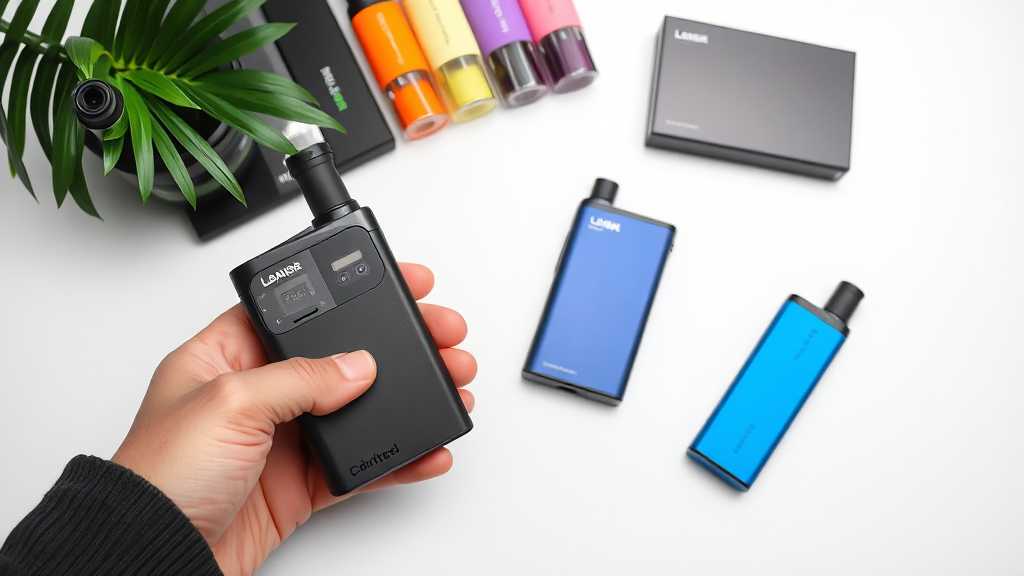
The most common mistake beginners make with the lana ultra 2 is treating it like a generic disposable they can buy anywhere, use however they like, and judge after two puffs. That single assumption causes almost every other problem: wrong expectations about puff count, careless storage, poor draw technique, and confusion when the device behaves differently from what a friend described. If you are new to this category, the fix is not complicated. It is a short list of predictable mistakes, each with a practical correction you can apply the same day.
This piece is written the way a trainer would teach it to a first-time buyer. No long history lesson, no brand mythology. Just the problems beginners actually run into, and what to do instead.
Why Do Beginners Misjudge Lana Ultra 2 Before They Even Open the Box?
Before the device is even unboxed, beginners have usually formed an opinion based on three unreliable inputs: a friend’s recommendation, a social media clip, and a price tag. Each of those inputs is fine on its own. Combined without context, they create expectations the device was never designed to meet.
Problem 1: Assuming every disposable works the same way
Beginners often assume that if they have tried one disposable, they have tried them all. They have not. Devices differ in airflow, draw resistance, how the coil heats, and how the mouthpiece is shaped. The lana ultra 2 has its own draw character, and a beginner who expects it to feel identical to a completely different device will conclude something is wrong when nothing is.
Fix: Spend the first session learning the device instead of judging it. Take slow, steady draws. Notice where the airflow sits. Give yourself ten minutes before forming an opinion. Most “faulty device” complaints from beginners are actually unfamiliarity complaints.
Problem 2: Confusing puff count with session count
A puff rating is a laboratory-style estimate, not a promise about how many sessions you personally get. Beginners read “thousands of puffs” and mentally convert it into weeks of use, then feel cheated when real-world usage does not match. Draw length, draw frequency, and how long you hold each pull all change the math.
Fix: Track your own usage for the first few days. If you take long, deep draws, expect fewer total puffs than someone taking short ones. Once you know your own pattern, the numbers stop feeling like a broken promise and start feeling like a rough budget.
Problem 3: Buying from the first listing that appears
Beginners often buy from whichever listing loads fastest, without checking whether the seller is consistent, whether packaging is discreet, or whether there is any after-sale support. Price is the only variable they compare, and that is the weakest possible basis for a repeat purchase.
Fix: Compare at least two or three sources before committing. Look at how clearly the product is described, how the seller handles delivery, and whether they offer a payment method you actually trust. A slightly higher price from a reliable seller is usually cheaper than a bargain from an unreliable one.
Problem 4: Ignoring how the device is stored
Heat, direct sunlight, and a hot car interior are the three most common ways beginners shorten the life of any disposable. A device left on a dashboard in the afternoon is not the same device you bought that morning.
Fix: Store it somewhere cool, dry, and out of direct sun. If you carry it in a bag, keep it away from keys and loose metal. Small habit, large difference.
Problem 5: Not reading the label before the first draw
Beginners frequently skip the label entirely. Then they are surprised by the strength, the flavor profile, or the airflow. The label is not decoration; it is the fastest way to set correct expectations.
Fix: Read the label before you open the device. Note the strength and the flavor description. If either does not match what you wanted, that is a return-or-exchange conversation, not a usage problem.
Problem 6: Overcomplicating the first purchase
Some beginners swing the other way and spend hours comparing every specification. They end up paralyzed and buy nothing. The category is not that complicated at entry level.
Fix: Pick one device, use it properly for a week, and let experience inform the next purchase. Beginners learn faster from one honest week of use than from ten hours of comparison.
Problem 7: Assuming all sellers are the same
Beginners often assume that because two sites sell the same product, the experience will be identical. It will not be. Delivery speed, packaging discretion, payment options, and how quickly a seller responds when something goes wrong all vary enormously. For buyers in Singapore, this matters more than most people expect, because timing and discretion are often the two things that decide whether a purchase feels smooth or stressful.
Fix: Choose a seller who is explicit about delivery timelines, packaging, and payment methods. A store that explains these things up front is usually a store that has thought about the customer experience, not just the transaction. If you are shopping in this market, a seller that offers cash on delivery and discreet packaging removes two of the biggest beginner anxieties at once.
Problem 8: Judging flavor on the first puff
The first puff from any new device is rarely representative. The coil is still settling, the wick is still saturating, and your own palate is adjusting. Beginners who decide on puff one often discard a device they would have liked by puff twenty.
Fix: Give it a proper session. If you still dislike it after a full day of normal use, then you have a real opinion. Before that, you have a first impression.
Problem 9: Not knowing what else exists in the same family
Beginners often buy one device, dislike one aspect of it, and conclude the whole category is wrong for them. In reality, they may simply have picked the wrong variant. The same product family usually includes options with different capacities, shapes, and draw styles.
For example, someone who finds the Ultra 2 a little large for pocket carry might prefer a slimmer option like the lana pen plus 9k, which trades capacity for portability. Someone who wants a bigger session count without changing brands might look at the lana pix 20k. And someone who wants to compare form factors side by side will often end up looking at the lana pix as a reference point.
Fix: Before you decide the category is not for you, check whether a sibling model fits your habits better. The right question is not “is this device good?” but “is this device good for how I actually use it?”
Problem 10: Forgetting that puff count is not the only number that matters
Beginners fixate on the biggest puff number they can find. That is understandable, but it is not the whole picture. A device with a huge rating that does not fit your hand, your pocket, or your draw style will feel worse than a smaller device that suits you perfectly.
Fix: Weigh capacity against comfort. If you are a light user, a smaller device is often the smarter buy. If you are a heavy user, capacity matters more. There is no universal right answer, only a right answer for your pattern.
Problem 11: Comparing apples to oranges across brands
Beginners often compare a device from one brand directly against a device from another without accounting for differences in design philosophy. A fair comparison uses similar categories: similar capacity, similar form factor, similar intended use.
This is why experienced buyers keep a few reference points in mind. If you want a high-capacity comparison, something like the marbo vape 25k gives you a useful benchmark. If you want a more compact high-capacity option, the marbo 25k is another point on the same map. And if you want to understand how different brands position their mid-range devices, the snowwolf 16k is a helpful reference.
Fix: Compare within a category. Same capacity band, same form factor, same intended use. Anything else is a marketing comparison, not a buying decision.
Problem 12: Not planning for the second purchase
Beginners treat the first purchase as a one-off. Then the device runs out at an inconvenient moment and they scramble. The second purchase is where most beginners either become confident buyers or give up entirely.
Fix: Decide in advance what your replacement trigger will be. Some people reorder when the flavor starts fading. Others reorder on a fixed schedule. Either works, as long as it is decided before you are caught short.
Problem 13: Assuming the market works the same everywhere
Beginners who have bought in one country often assume the buying experience will be identical elsewhere. It rarely is. Local availability, delivery norms, payment preferences, and packaging standards all differ. Buyers in Singapore, for instance, tend to value fast delivery and cash on delivery more than buyers in markets where card payment and longer shipping windows are the norm. If you are searching for something like terea singapore, you are already in a market where the buying experience is shaped by local expectations, not global defaults.
Fix: Learn the local norms before you buy. Ask what delivery looks like, what payment methods are accepted, and how the package will be presented on arrival. These three questions prevent most beginner disappointment.
Problem 14: Treating online reviews as ground truth
Beginners often treat a handful of reviews as a complete picture. Reviews are useful, but they are skewed. People with strong opinions write them; people with average experiences usually do not. A product with ten reviews is not statistically representative of anything.
Fix: Read reviews for patterns, not verdicts. If multiple people mention the same specific issue, take it seriously. If one person hates it and nine love it, that is noise, not signal.
Problem 15: Skipping the seller’s own product description
Beginners often read third-party summaries and skip the seller’s own description. That is backwards. The seller’s description is where you find the specific details that matter: capacity, flavor notes, and what is included.
Fix: Read the seller’s description first, then use reviews to sanity-check it. That order gives you a factual baseline before you encounter opinion.
Problem 16: Not asking what happens if something goes wrong
Beginners rarely ask about support until they need it. By then, it is too late to choose a better seller. The time to find out how a store handles problems is before you buy, not after.
Fix: Before ordering, check whether the seller explains their process for issues. A store that is clear about this up front is usually a store that has thought about it at all. A store that says nothing is telling you something too.
Problem 17: Buying in bulk before understanding personal usage
Beginners sometimes buy several devices at once to save on shipping, then discover they do not like the flavor or the draw. Now they are stuck with inventory they do not want.
Fix: Buy one first. Use it for a week. Then buy more of the same, or switch. Bulk buying is a reward for knowing your own preferences, not a shortcut to finding them.
Problem 18: Assuming the device is faulty when it is actually user error
Beginners often conclude a device is broken when the real issue is technique. Too-fast draws, over-frequent use, or storage in a hot place can all produce symptoms that look like faults.
Fix: Before assuming a fault, change one variable at a time. Slower draws. Cooler storage. A short break between sessions. If the problem persists across all of those, then it is worth raising with the seller.
Problem 19: Ignoring the role of packaging and delivery in the experience
Beginners think of delivery as a logistics detail, not part of the product experience. It is part of the experience. A device that arrives crushed, delayed, or in packaging that announces its contents to the whole building is a worse product experience than the same device delivered well.
Fix: Treat delivery and packaging as part of what you are paying for. If a seller gets these right, that is a real advantage. If they do not, it is a real cost, even if the device itself is fine.
Problem 20: Never revisiting first assumptions
The final beginner mistake is refusing to update. Someone forms an opinion in week one and holds it forever, even as their usage changes and the market shifts.
Fix: Re-evaluate every few months. Your habits change. Your preferences change. The right device for you in month one is not always the right device for you in month six.
How Should a Beginner Actually Approach Lana Ultra 2?
Strip away the noise and the beginner path is short. Start with one device. Read the label. Store it properly. Use it for a full week before forming an opinion. Buy from a seller who is clear about delivery, payment, and packaging. Compare within categories, not across them. And keep a note of what you liked and disliked, so your second purchase is smarter than your first.
Most of the frustration beginners experience is not caused by the device. It is caused by unexamined assumptions. Once those are corrected, the device itself is usually the least complicated part of the whole experience.
If you are shopping in Singapore, prioritize sellers who are explicit about fast delivery and discreet packaging. Those two factors do more for beginner satisfaction than any specification sheet. And if you are unsure which variant suits you, start with the standard model, use it honestly for a week, and let that week tell you what to try next.
FAQ
Is Lana Ultra 2 suitable for someone who has never used a disposable before?
Yes, provided you treat the first week as a learning period rather than a verdict. Read the label, store the device properly, take slow draws, and give yourself a full day before deciding whether you like it. Most beginner dissatisfaction comes from unfamiliarity, not from the device itself.
How many puffs should a beginner realistically expect?
Expect fewer than the label suggests if you take long, deep draws, and closer to the label if you take short, moderate ones. Puff ratings are estimates, not guarantees. Track your own usage for a few days and you will quickly learn your personal pattern.
Should I buy several devices at once to save on shipping?
Not on your first purchase. Buy one, use it for a week, and confirm you like the flavor and draw. Once you know your preferences, buying more of the same is sensible. Buying in bulk before that is a gamble on your own taste.
What should I check before choosing a seller?
Check three things: how clearly they describe delivery timelines, what payment methods they accept, and how they handle packaging. A seller who is explicit about all three is usually a seller who has thought about the customer experience. In Singapore, cash on delivery and discreet packaging are especially worth confirming up front.
What is the biggest mistake beginners make after the first purchase?
Failing to plan the second purchase. Decide in advance what your replacement trigger will be, whether that is flavor fading or a fixed schedule. Beginners who plan ahead rarely get caught short, and they make better decisions on the second buy.